
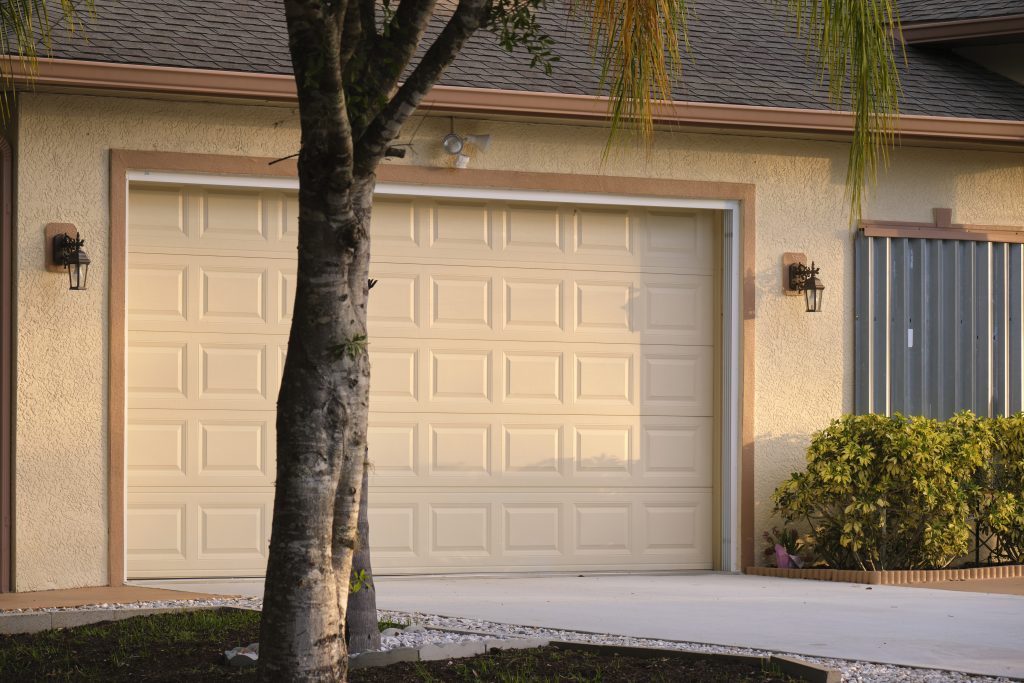
A well-maintained garage door operates quietly and efficiently, helping to extend the lifespan of its components and prevent costly repairs. One of the simplest yet most effective maintenance tasks you can do is lubricating its moving parts. Regular lubrication reduces friction, minimizes wear and tear, and keeps your garage door running smoothly. Explore how to lubricate your garage door, what products to use, and how often you should perform this maintenance.
Why Lubrication Matters
Your garage door is made up of multiple moving components that work together to lift and lower the door. Over time, these components experience friction, creating noise, resistance, and wear. Using the right lubricant at the right time can reduce friction and prevent premature wear on your garage door.
Advantages of Regular Garage Door Lubrication
Regularly lubricating your garage door offers numerous benefits to homeowners, including:
- Quieter operation: Proper lubrication reduces squeaks, grinding, and other unpleasant noises.
- Longer lifespan: Reducing friction and wear extends the life of springs, rollers, and hinges.
- Smooth movement: A well-lubricated door will glide up and down effortlessly, reducing strain on the opener.
- Prevents costly repairs: Regular maintenance prevents small issues from becoming expensive problems.
By lubricating your garage door every few months, you can avoid unexpected breakdowns and ensure smooth operation year-round.
Tools and Supplies You’ll Need
Before you start, gather the following items:
- Lubricant: Use a silicone-based spray or white lithium grease—both provide long-lasting lubrication and resist dirt buildup. Avoid using WD-40, as it is a cleaner and not a long-term lubricant.
- Clean cloth or rag: Wipe down components before applying lubricant.
- Stepladder: To safely reach high components.
- Protective gloves and safety glasses: To protect your hands and eyes from potential splashes.
Once you have your supplies, follow the steps below to lubricate your garage door properly.
Step-by-Step Lubrication Guide
Follow these steps.
1. Disconnect the Garage Door Opener
Before performing any maintenance, unplug the garage door opener or switch off the power. This prevents the door from moving accidentally while you’re working on it, keeping you safe!
2. Clean the Tracks (But Don’t Lubricate Them)
The metal tracks on which the door rollers glide should be kept clean. Wipe them down with a dry or slightly damp cloth to remove dirt, debris, and grease buildup. Do not apply lubricant to the tracks, as this can cause dirt to accumulate and interfere with smooth operation.
3. Lubricate the Hinges
The hinges connect the door panels and allow them to bend as the door opens and closes. Apply lubricant to the pivot points of each hinge and move the door manually to help distribute it. Apply just enough lubricant for smooth operation. Too much lubrication can cause excess lubricant to drip onto your garage floor or your car.
4. Lubricate the Rollers
Garage door rollers are responsible for the smooth up-and-down movement of your door.
- For metal rollers, apply lubricant directly to the ball bearings inside the rollers.
- For nylon rollers, only lubricate the bearings, avoiding the nylon part to prevent damage.
After applying the lubricant, open and close the door a few times to spread it evenly.
5. Lubricate the Springs
The torsion springs (located at the top of the door) help counterbalance its weight, making it easier to open and close. Over time, springs can become dry and rusty, leading to difficulty in operation or even breakage.
Spray a light coat of lubricant on the springs and then open and close the door a few times to distribute the lubricant.
If you notice damaged or broken springs, do not attempt to repair them yourself—call a professional, as spring repairs can be dangerous.
6. Lubricate the Bearing Plates
Located on either end of the torsion springs, bearing plates allow smooth rotation. Applying lubricant here helps minimize resistance and keeps the door moving easily.
7. Lubricate the Arm Bar and Lock Mechanism
- The arm bar connects the door to the garage door opener. Lubricate the area where the arm meets the door to reduce friction.
- If your garage door has a manual lock, apply lubricant to the keyhole and internal mechanism to keep it working smoothly.
8. Lubricate the Rail (if Applicable)
For chain-driven garage door openers, lightly lubricate the metal rail where the chain moves. However, belt-driven openers typically do not require lubrication.
Best Practices for Garage Door Lubrication
To keep your garage door in the best condition, lubricate your garage door every six months or more frequently if you notice squeaking or difficulty in operation. Use a high-quality silicone-based spray or white lithium grease—never use WD-40 as a long-term garage door lubricant!
When to Call a Professional
While lubrication is an easy DIY task, some garage door issues require professional attention. Contact a garage door repair expert if you experience:
- Loud, persistent noises even after lubrication.
- Uneven or jerky movement when opening or closing.
- A door that won’t open or close properly.
- Broken springs, cables, or rollers.
A professional technician can inspect, adjust, and replace worn-out parts to ensure your garage door operates safely and efficiently.
Trust Nofziger Garage Door Repair & Sales for Expert Maintenance
Regular lubrication is a simple yet crucial part of garage door maintenance. By following this guide, you can keep your door running smoothly and extend the lifespan of its components.
If you need garage door repairs, maintenance, or a professional inspection in Dublin, Ohio, trust Nofziger Garage Door Repair & Sales. With over 70 years of experience, they provide reliable services to keep your garage door in top condition.
Call today or visit Nofziger Garage Door Repair & Sales for expert service.
Keep your garage door operating smoothly—schedule professional maintenance today!