
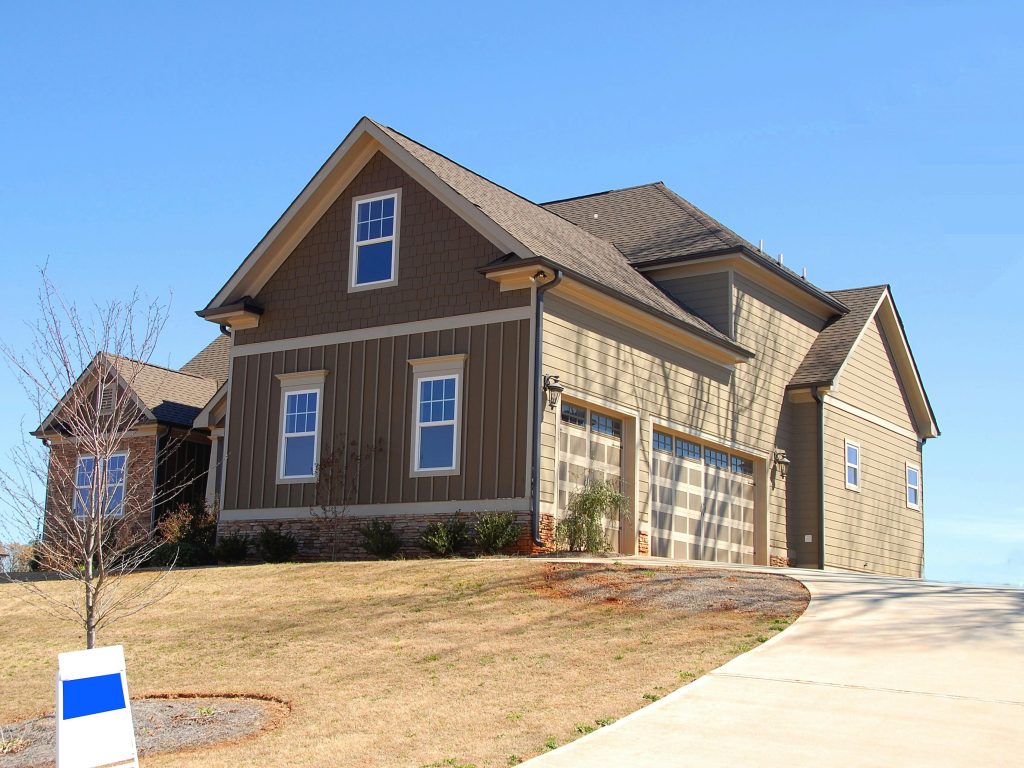
A functioning garage door is essential to the flow of your day. If your garage door opener suddenly stops working, it can be frustrating and disrupt your day. Before you immediately call a professional, some common issues can be fixed on your own. Let’s take a look at some simple garage door opener problems and how you can solve them at home!
Understanding the Basics of a Garage Door Opener
Garage door opers are the electric, motorized devices that drive the lifting mechanism on your garage door. The system normally includes a remote control, wall switch, safety sensors, and a track-and-rail system. If any of these components fail, the entire system is affected, so it is important to inspect each aspect of the garage door opener to diagnose the problem.
Diagnosing Garage Door Opener Problems
Before calling your local garage door technician, use these strategies to figure out what is causing the issue with your garage door opener.
1. Check the Power Source
One of the simplest issues is also one of the easiest to overlook. If the opener is unresponsive, start by checking the power source. Ensure your garage outlets are working and the power is on. If the outlet is working, check your electrical board for a tripped circuit breaker or blown fuse. One of the most common signs of a power source issue is no lights on the opener or remote.
2. Inspect the Remote Control and Wall Switch
If the opener doesn’t respond to the remote or wall switch, the problem might be with the controls themselves. Try to replace the batteries in your garage door remote. Sometimes, the remote control might lose connection to the opener even if the batteries are working. If replacing the batteries doesn’t work, follow your garage door opener’s manual to reprogram it.
3. Examine the Safety Sensors
Garage doors have safety sensors to prevent them from closing if something is in the way. These sensors are located near the base of the door tracks on both sides. If the sensors aren’t aligned, the door will not close. Each of the sensors comes equipped with an indicator light that will tell you if they are misaligned. Sensor issues can typically be identified if the door will open but not close.
4. Assess the Garage Door Tracks and Rollers
Sometimes, the problem lies not with the opener but the door’s movement along its tracks. Inspect the tracks for obstructions like leaves, dirt, or other debris. Use a soft cloth to clear the tracks, and then apply a silicone-based lubricant to ensure smooth movement.
5. Look at the Opener’s Motor and Drive System
The motor is the core of the garage door opener. Problems with the motor or drive system often prevent the door from opening or closing. Listen for a humming or buzzing noise from the opener, particularly with no door movement.
6. Examine the Trolley and Carriage Mechanism
The trolley and carriage connect the door to the opener’s rail system. If you’ve had your garage door for a long time, the trolley can wear out, causing it to disconnect from the chain or belt. If this is the case, you may hear grinding or clicking noises when the door tries to open.
7. Investigate for Interference
Garage door openers use specific frequencies for remote controls, which can sometimes experience interference. Devices like LED lights, radios, or baby monitors can sometimes interfere with the opener. Try turning off these devices to see if it resolves the issue.
8. Observe for Weather-Related Problems
Seasonal changes can impact the operation of your garage door, particularly in extreme cold or hot weather. Always keep your door components lubricant between seasons to prevent door components from expanding or compressing too much.
When to Call a Professional
While many garage door opener problems can be resolved independently, some issues may require the expertise of a professional. Any electrical, mechanical, or wiring problems should be handled by a professional. Additionally, if cleaning the tracks, lubricating moving parts, or any other at-home solutions solve the problem quickly, but the issue comes back, a professional diagnosis is recommended.
Diagnosing garage door opener issues doesn’t have to be daunting. Following the steps outlined in this guide, you can troubleshoot many common problems yourself, saving time and possibly repair costs. However, for complex or persistent issues, don’t hesitate to contact a professional for assistance.
Nofziger Doors Can Help!
These tips will help you maintain your garage door opener for long-lasting performance and ensure it functions smoothly for years to come. For professional assistance or garage door repair and maintenance advice, visit Nofziger Doors.