
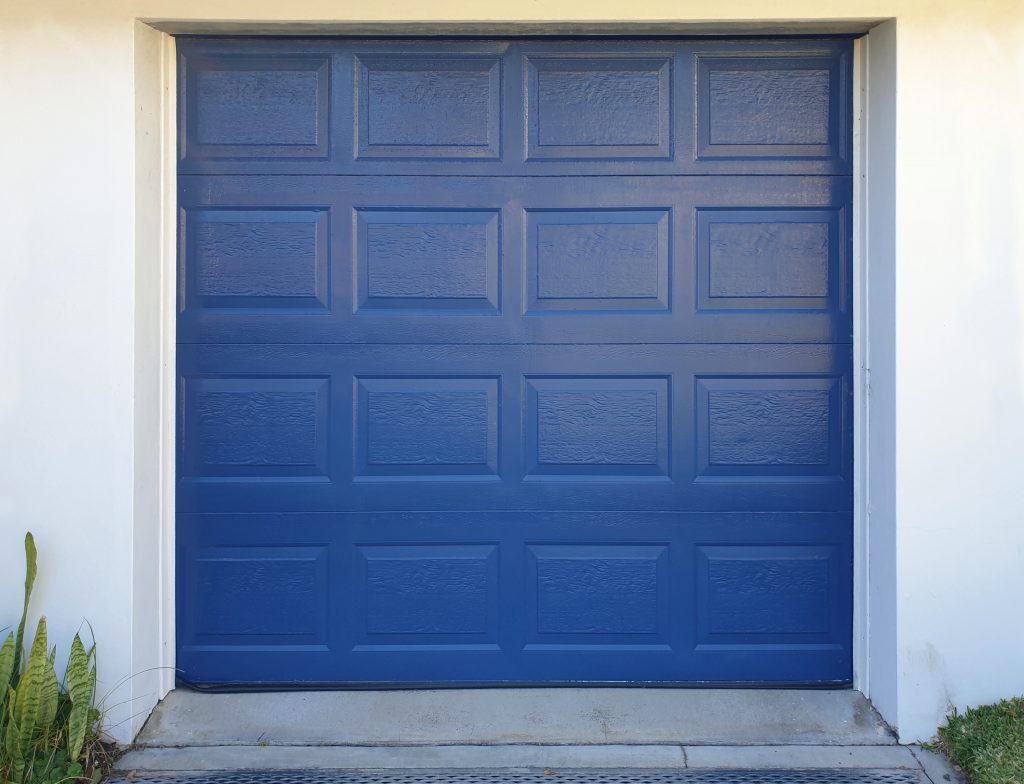
Your garage door is one of the largest moving parts in your home. It’s used every day, often multiple times, and, like any other system, it requires routine care. One of the most important maintenance tasks you can do is balance testing. Testing your garage door’s balance helps prevent costly repairs, ensures your safety, and keeps the door operating smoothly.
Why Garage Door Balance Matters
A balanced garage door is designed to stay in place when lifted halfway. If it drifts up or slams down, the door isn’t balanced properly. This imbalance often means the springs are wearing out or have lost tension.
Why does this matter?
- Safety: An unbalanced door can suddenly fall, putting your family, pets, or vehicles at risk.
- Longevity: Balance problems place extra stress on the opener, springs, and cables, leading to early breakdowns.
- Energy Efficiency: A door that doesn’t close correctly leaves gaps that let in outside air, making your home less energy efficient.
- Convenience: A smooth, balanced operation makes daily use easier and quieter.
Signs Your Garage Door May Be Unbalanced
You may be able to tell that your garage door is unbalanced before performing a test. Watch for these warning signs:
- The door looks crooked when opening or closing.
- It feels unusually heavy when lifting manually.
- The door slams shut instead of gliding down.
- The opener strains or makes grinding noises.
- The door doesn’t stay put when partially open.
If you notice any of these symptoms, it’s a strong indication that your garage door needs a balance test.
How to Balance Test Your Garage Door Safely
Performing a balance test is simple, but it’s important to follow safety guidelines. Garage doors are heavy, and springs are under high tension. Always be cautious and call a professional if you feel unsure.
Step 1: Close the Garage Door
Make sure the door is fully closed before beginning. This reduces the risk of it slamming unexpectedly during the test.
Step 2: Disconnect the Opener
Pull the emergency release cord (usually a red handle) to disconnect the opener from the door. This allows you to move the door manually.
Step 3: Lift the Door by Hand
Raise the garage door to the halfway point and let go carefully.
Step 4: Observe What Happens
- If the door stays in place, it’s balanced properly.
- If it falls closed quickly, the springs don’t have enough tension.
- If it rises upward, the springs are too tight.
Step 5: Reconnect the Opener
Once you finish, reattach the opener by pulling the release cord toward the door and activating the opener.
What to Do if Your Door Fails the Balance Test
If your garage door fails the balance test, it’s time to call a professional. Adjusting torsion or extension springs is not a DIY project. Springs are wound under extreme pressure and can cause serious injury if handled incorrectly.
Professional technicians have the training, tools, and safety protocols to adjust spring tension correctly. In many cases, balancing a garage door is a quick and affordable repair that restores safe operation and prevents bigger issues.
How often should you test garage door balance?
Experts recommend performing a garage door balance test every six months as part of your home maintenance routine. Pairing this with seasonal tasks, like replacing HVAC filters or checking smoke detectors, helps you stay on schedule.
Regular balance testing is also smart before big weather changes. For example, in Ohio, seasonal shifts from hot summers to freezing winters can affect spring tension and metal components.
Benefits of Professional Garage Door Maintenance
While a balance test is a simple check, having your garage door inspected by professionals once a year ensures every part is in top shape. A full tune-up can include:
- Tightening hardware
- Lubricating rollers and hinges
- Inspecting springs and cables
- Testing opener safety sensors
- Adjusting alignment and track condition
This proactive approach helps you avoid unexpected breakdowns, especially when you rely on your garage door the most.
FAQs About Balance Testing Your Garage Door
Here are some common questions regarding balance testing.
1. How do I know if my garage door springs are bad?
If your door feels heavy, won’t stay halfway open, or makes loud noises when moving, your springs may be worn out and need replacement.
2. Can I adjust garage door springs myself?
No. Springs are under high tension and can be dangerous to handle without proper training. Trying to adjust garage door springs yourself can lead to injuries and even death. Always call a professional for spring adjustments.
3. How much does it cost to fix garage door balance issues?
Costs vary depending on the type of spring and the level of adjustment needed. A professional inspection ensures you get an accurate estimate before work begins.
4. Why does my garage door slam shut?
This is usually a sign of weak or broken springs. The balance test can confirm if the door is safe or needs immediate repair.
5. How long do garage door springs last?
Most springs last 7–10 years, depending on usage. Performing balance tests regularly helps catch issues before springs fail.
A balanced garage door ensures safety, longevity, and peace of mind. Taking a few minutes twice a year to perform a simple balance test can save you from costly repairs and dangerous malfunctions.
Nofziger Can Help!
If your garage door fails the test, don’t wait. Contact a professional team like Nofziger Doors to get your door back in proper working condition. Your garage door works hard every day, so make sure it stays safe and reliable for years to come.