
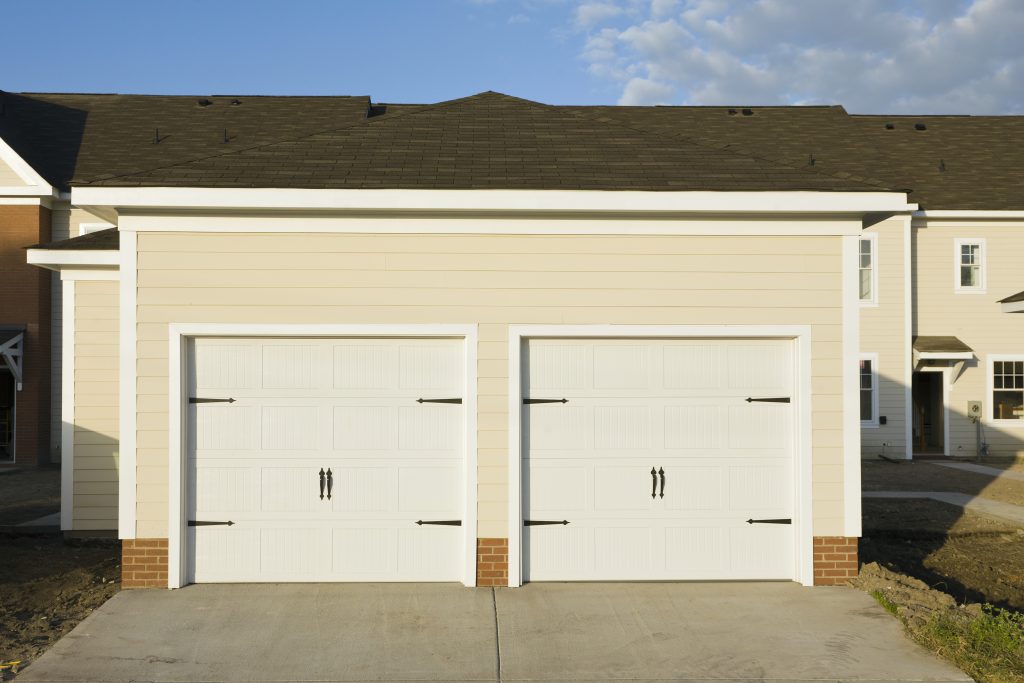
In 1990, the United States Government put a law in place that requires new garage doors to be equipped with safety sensors, preventing accidents and injuries. These sensors ensure that the garage door will not close if anything is in its path, like a rake, person, or vehicle. However, if these sensors aren’t working, your garage door may refuse to close at all or behave erratically, potentially leading to injury. Join us as we cover some common garage door sensor issues, how to fix them, and when to call in a professional!
How do garage door sensors work?
Modern garage doors use photo-eye sensors positioned near the bottom of the door tracks to identify potential obstructions. These sensors emit an infrared beam across the garage door opening. If anything blocks this beam, the sensors trigger the garage door opener to stop or reverse, preventing damage or injury.
If your garage door isn’t closing properly, the sensors are the most common culprit. Fortunately, most sensor issues can be diagnosed and fixed with basic troubleshooting.
Common Garage Door Sensor Problems and Fixes
Common garage door sensor problems include the following.
Misaligned Sensors
If the infrared sensors on each side of the door are not aligned, the garage door will not close for safety reasons.
Here are some ways to fix this issue:
- Check the LED lights on each sensor. A steady light typically means they are aligned, while a blinking or unlit sensor indicates a misalignment.
- Gently adjust the sensors until the lights remain steady.
- Secure the sensors in place to prevent future misalignment.
Obstructions in the Sensor’s Path
If any object blocks the sensors, the garage door won’t close properly. Objects, even as small as cobwebs or sticks, can sometimes trigger the sensors, preventing closure.
Check the area around your garage door for objects like dirt, cobwebs, and yard debris. Remove any debris and retest the door.
Dirty Sensor Lenses
Dust, dirt, or moisture on the sensor lenses can interfere with their ability to detect objects. Use a soft micro-fiber cloth to gently clean the sensor lenses and remove any built-up dirt and grime. Don’t use harsh chemicals, as these can damage the sensors and impact the safety of your garage door. Seasonal cleaning can prevent false detections and keep your garage door in optimal condition.
Damaged or Loose Wiring
Faulty wiring can prevent the sensors from sending proper signals to the garage door opener. Check your garage door sensors for any fraying or loose wires. If you see any, it’s time to call a garage door technician!
Interference from Sunlight
Direct sunlight can interfere with sensor operation, mimicking an obstruction and causing the door to reverse unexpectedly. This can often happen if your garage door has windows or it is a very bright and sunny day. Try using small covers for the sensors to keep them out of the sun and prevent false detections.
Faulty Sensors
If your garage door sensors are old or malfunctioning, they may stop working altogether. Troubleshooting will not always fix the problem, especially if your sensors are old. Contact your local garage door technician to find a compatible replacement for your garage door opener!
Garage Door Sensor Maintenance Tips
Regular maintenance prevents unexpected sensor failures and ensures your garage door works smoothly. Here are some easy maintenance steps to follow:
Clean Sensors Regularly
Dust and dirt can accumulate on the sensor lenses, causing misalignment errors. Wipe the sensors at least once a month with a soft cloth.
Check Alignment Periodically
Even if your sensors are working, vibrations and accidental bumps can shift their alignment over time. Ensure they are properly aligned and secured.
Inspect Wiring for Damage
Rodents, weather, or general wear and tear can damage the wiring. If you notice frayed or broken wires, contact a professional for repairs.
Test Sensor Functionality
To check if your sensors are working:
- Place an object like a box in front of one sensor.
- Try closing the garage door. It should stop and reverse if the sensors are functional.
- If the door closes without reversing, the sensors aren’t working correctly and need troubleshooting.
Ensure a Secure Power Connection
Sometimes, loose power connections cause sensor issues. Ensure the garage door opener and sensors are firmly plugged in and receiving power.
When to Call a Professional Garage Door Technician
While some sensor issues are easy to fix by yourself, others require expert diagnosis and repair. Contact a garage door repair company if:
- Your sensors remain unresponsive even after troubleshooting
- You notice exposed, frayed, or disconnected wiring
- The sensors are physically damaged and need replacement
- The garage door won’t close despite clear sensor alignment
If you’re in the Dublin, OH, area and need garage door sensor repair or replacement, contact Nofziger Garage Door Repair & Sales for expert service.
Garage door sensors play an important role in your safety by preventing garage door accidents, injuries, and deaths. Regular maintenance and timely troubleshooting can help keep them in optimal condition.
If you’re experiencing issues with your garage door sensors, try the troubleshooting steps outlined in this guide. For more complex problems, trust the experts at Nofziger Garage Door Repair & Sales to get your system back on track.
Call Nofziger Today!
Need garage door repairs? Contact us today for expert assistance.