
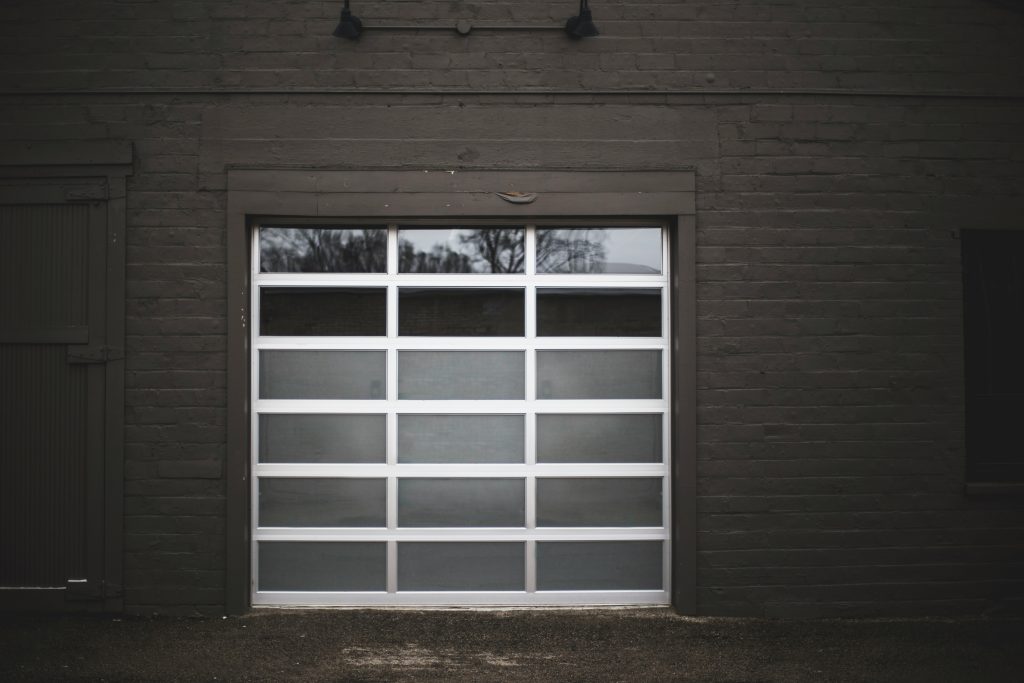
A noisy garage door can be more than a nuisance. Excessive noise or clanking can be a sign of underlying problems, which can lead to costly repairs if left unaddressed. Whether your garage door squeaks, grinds, or rattles, identifying the source of the noise and fixing it promptly is crucial for maintaining a smooth and safe operation.
Common Causes of Noisy Garage Doors
Common causes of noisy garage doors include the following.
1. Lack of Lubrication
One of the most common reasons for a noisy garage door is a lack of lubrication. Garage doors comprise numerous moving parts, including rollers, springs, and hinges, which require proper lubrication to function smoothly. Without regular lubrication, these parts create friction. This leads to squeaking and grinding sounds. Luckily, this is an easy at-home fix that you can do as part of regular maintenance.
Use a high-quality garage door lubricant on all moving parts, including springs and hinges, at least twice a year. Though you may be tempted to reach for your trusty WD-40, this degreaser can strip away necessary oils, making your garage even noisier.
2. Worn-Out Rollers
Garage door rollers help the door glide smoothly along its tracks. Over time, rollers can wear out, regardless of their material (metal or plastic). Worn or damaged rollers often produce a loud grinding or screeching noise as they struggle to move smoothly along the track. If left unaddressed, these rollers can break suddenly, preventing you from opening your garage door.
Regularly inspect the rollers for signs of wear and tear, such as cracks or excessive wobbling. Worn-out rollers can be replaced at home. However, if you are uncomfortable replacing the rollers, consider hiring a professional garage door technician.
3. Loose or Damaged Hardware
A variety of nuts, bolts, and screws hold together your garage door. Over time, the vibrations from the door’s movement can cause this hardware to become loose, resulting in rattling or clanking noises. Additionally, damaged hardware, such as broken hinges or brackets, can also contribute to excessive noise.
If you’re hearing a rattling sound, take a look at all the hardware on your garage door and watch out for any loose or missing screws. For loose components, use a wrench or socket set to tighten them. If you are missing components or have damaged hardware, replace them immediately to avoid further complications.
4. Misaligned Tracks
Garage door tracks must be properly aligned to ensure smooth and quiet operation. If the tracks are misaligned, your garage door may struggle to open or close, resulting in loud screeching or rubbing noises. Misalignment can occur due to wear and tear or an impact. To realign the tracks, contact a professional technician to avoid further damage to the door.
5. Worn or Broken Springs
Garage door springs are responsible for counterbalancing the door’s weight, making it easier to open and close. Worn or broken springs can cause loud banging or popping noises during operation. Worn springs pose a safety hazard, as they can snap and cause injury or damage. If you suspect worn or broken springs, contact a garage door repair service to assess and replace them.
6. Improperly Balanced Garage Door
An unbalanced garage door can cause uneven strain on the door’s components, leading to excessive noise and premature wear. Signs of an improperly balanced door include difficulty opening or closing the door and appearing crooked when in motion.
To check if your door is balanced, disconnect the automatic opener and manually lift the door halfway. If the door stays in place, it’s properly balanced. If it moves up or down, the door may be out of balance. Balancing a garage door requires adjusting the tension in the springs, which should only be performed by a trained professional.
When to Call a Professional
While some garage door noise issues can be fixed with basic maintenance, others may require the expertise of a professional. If you’re dealing with broken springs, significant misalignment, or a worn-out opener, it’s best to contact a professional garage door repair service. Not only will this ensure that the problem is fixed correctly, but it will also help prevent potential safety hazards.
If you’re experiencing persistent noise problems with your garage door, don’t hesitate to contact a professional technician for expert diagnosis and repair. At Nofziger Garage Doors, we’re here to help you with all your garage door repair and maintenance needs.